Greenwood Spoon Carving

By 2026

Greenwood Spoon Carving - Teaching a Tree to Talk

with Charles Thompson

October 19 - 23, 2026

$1200

Greenwood Spoon Carving

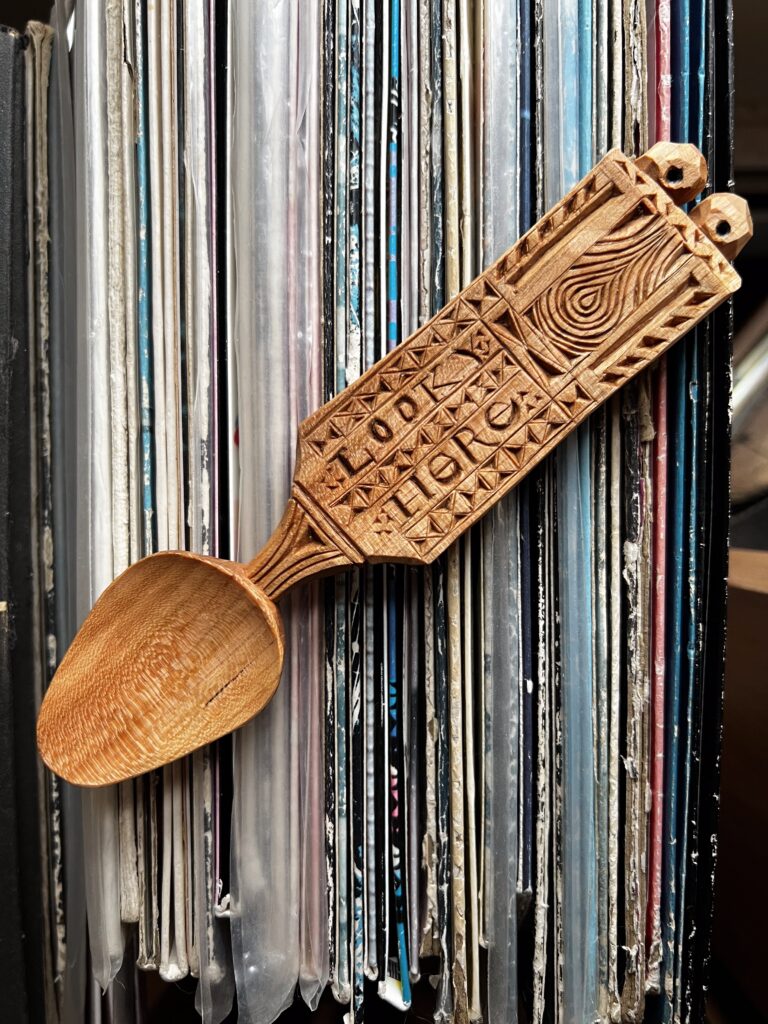
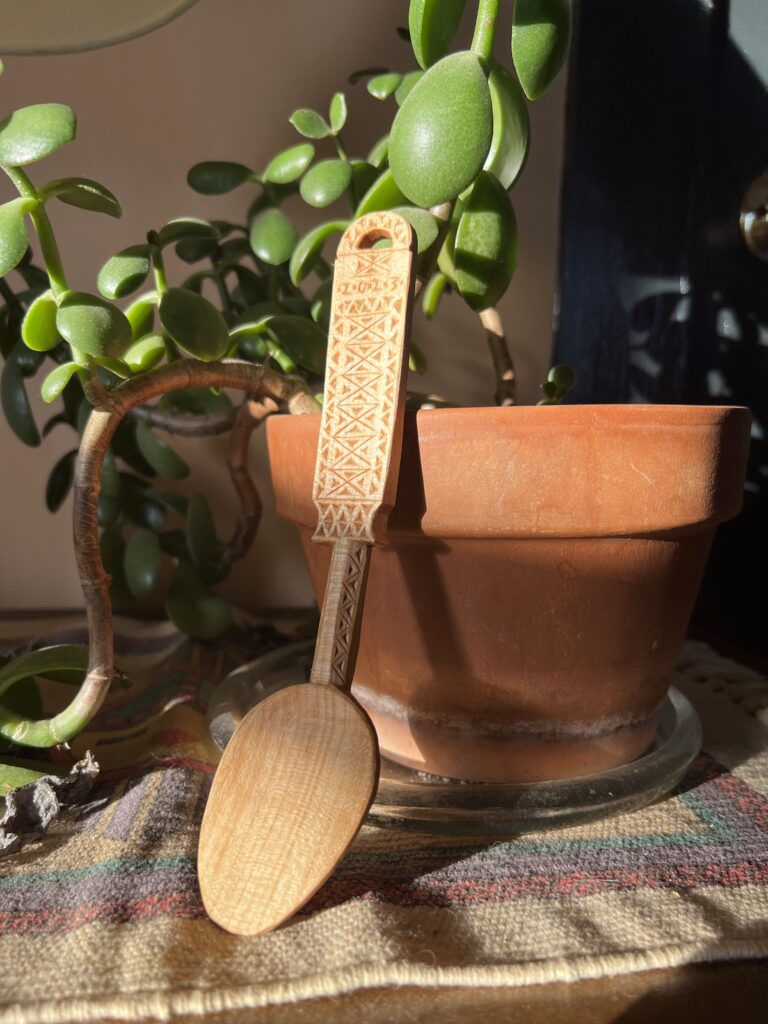
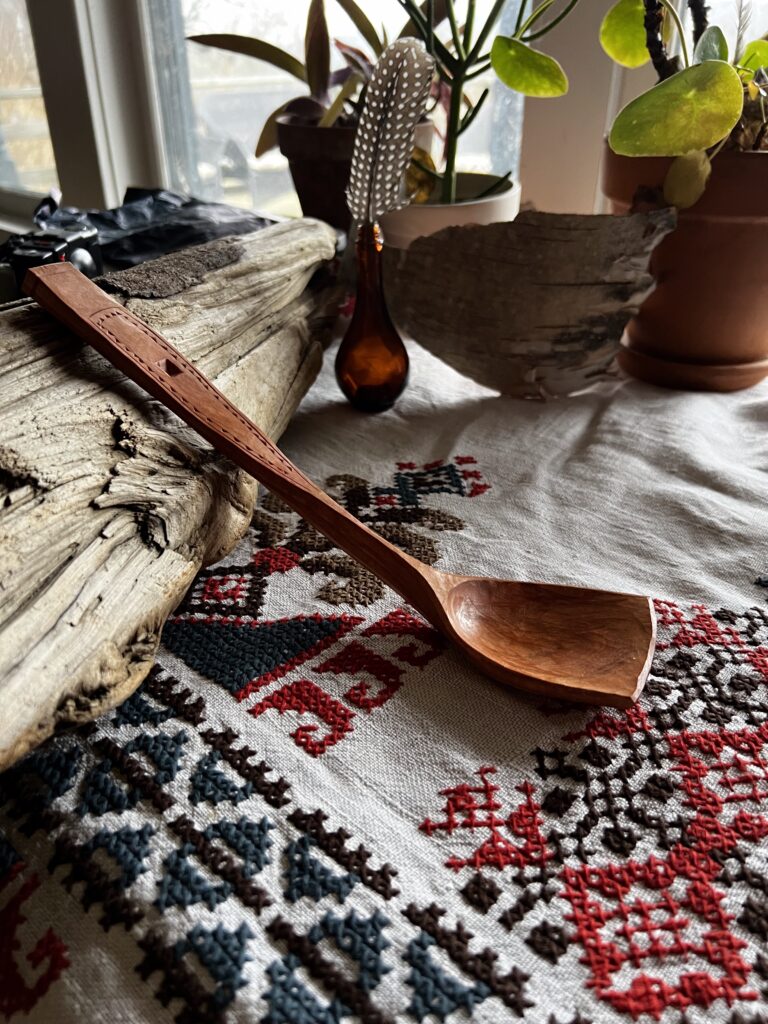
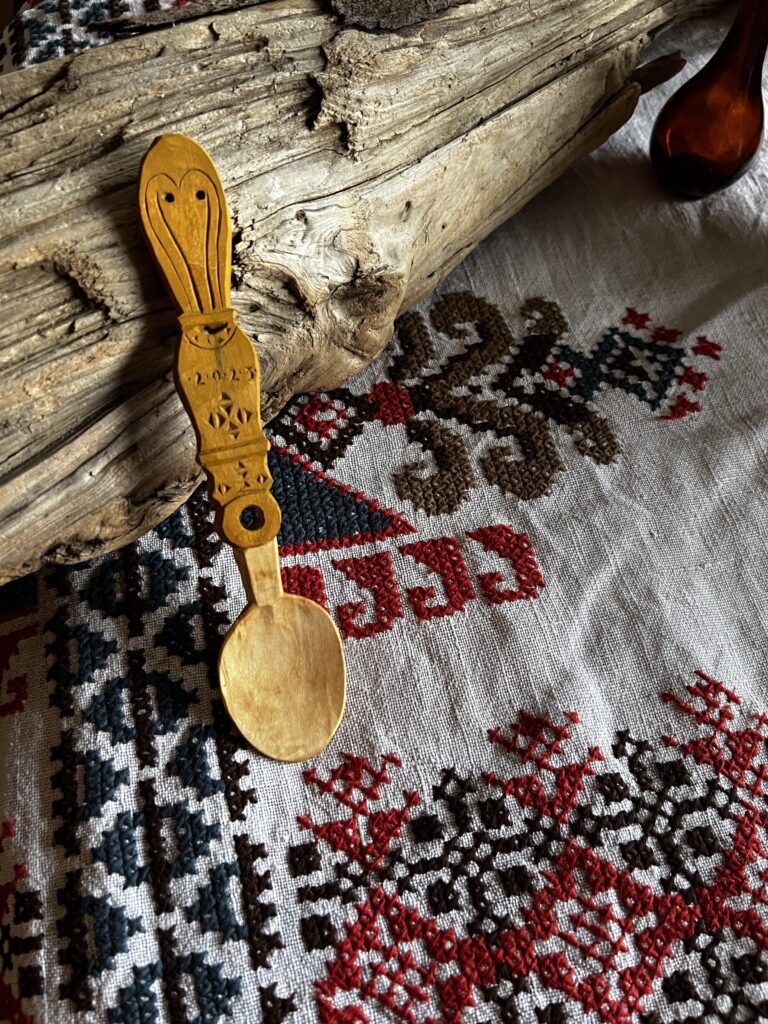
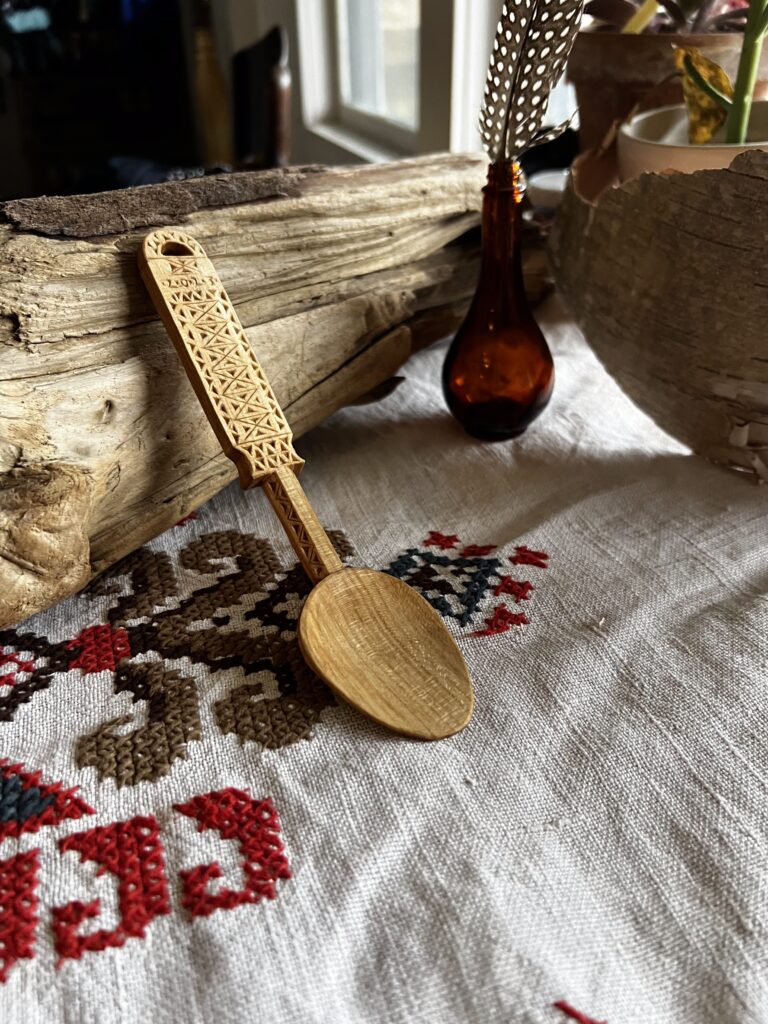
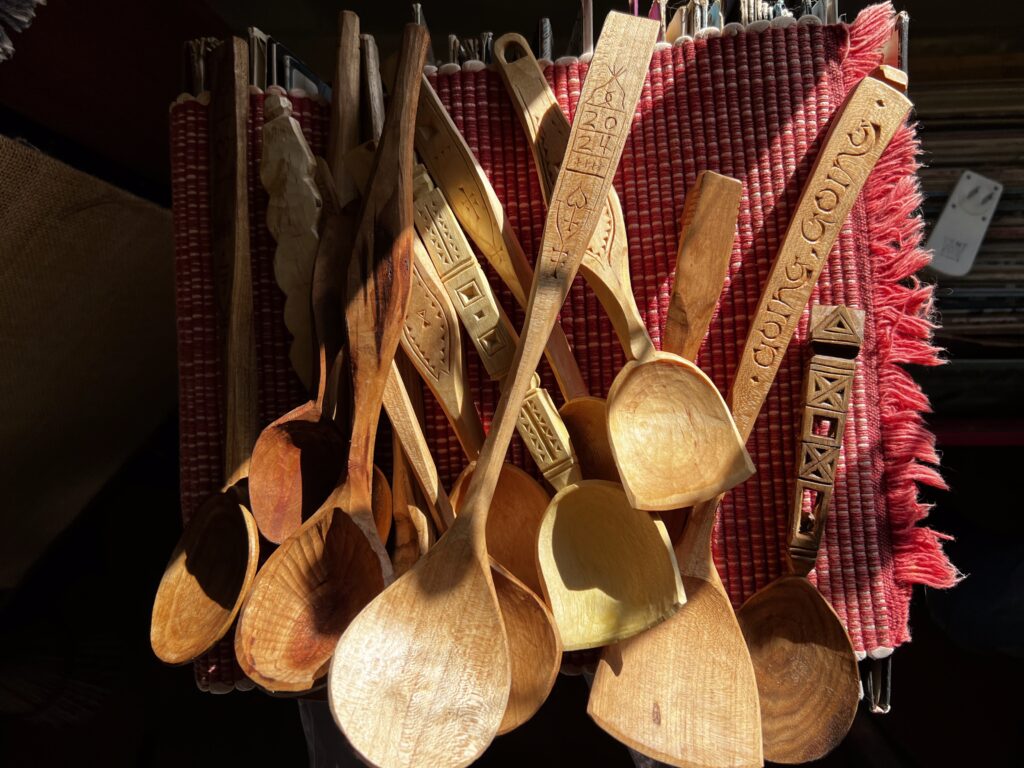
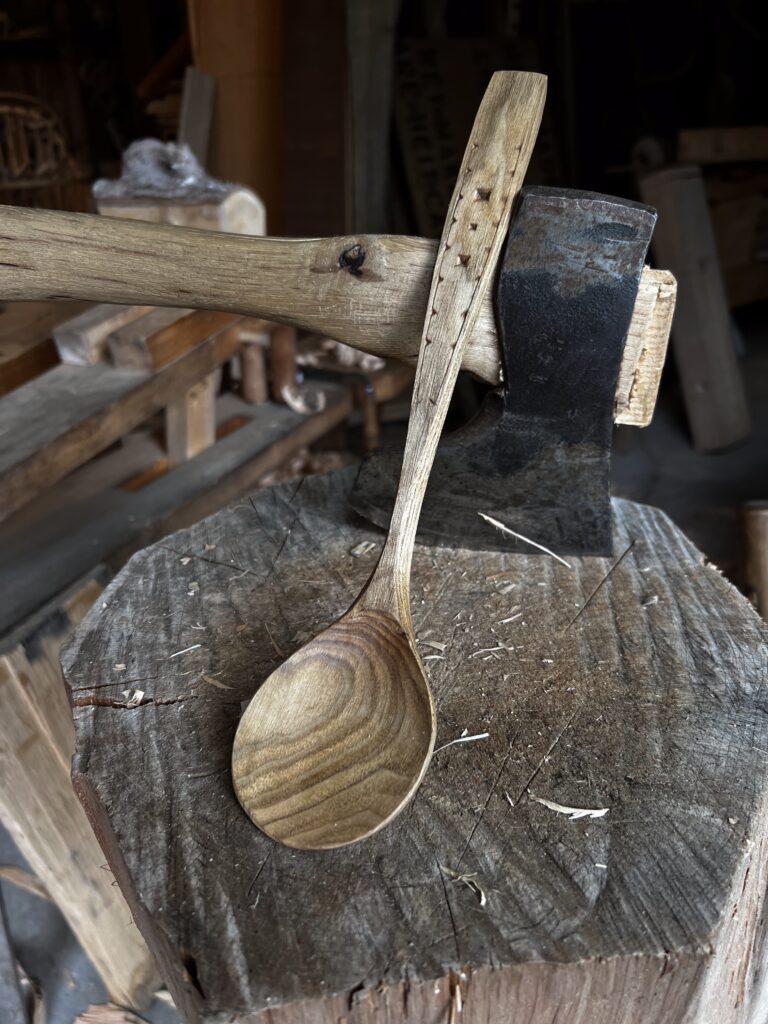
Carving spoons from green wood sparks a conversation between material, environment, and handwork. Our goal will be to develop and convene carving processes that can be carried forward. We’ll do this work over tea, observational hikes, snacks, and with any luck good idle chatter.  Continued below…


Class Description:

Spend a week in shop, forest, and field learning how to make a spoon from a tree.


Carving spoons from green wood sparks a conversation between material, environment, and handwork. Our goal will be to develop and convene carving processes that can be carried forward. We’ll do this work over tea, observational hikes, snacks, and with any luck good idle chatter.


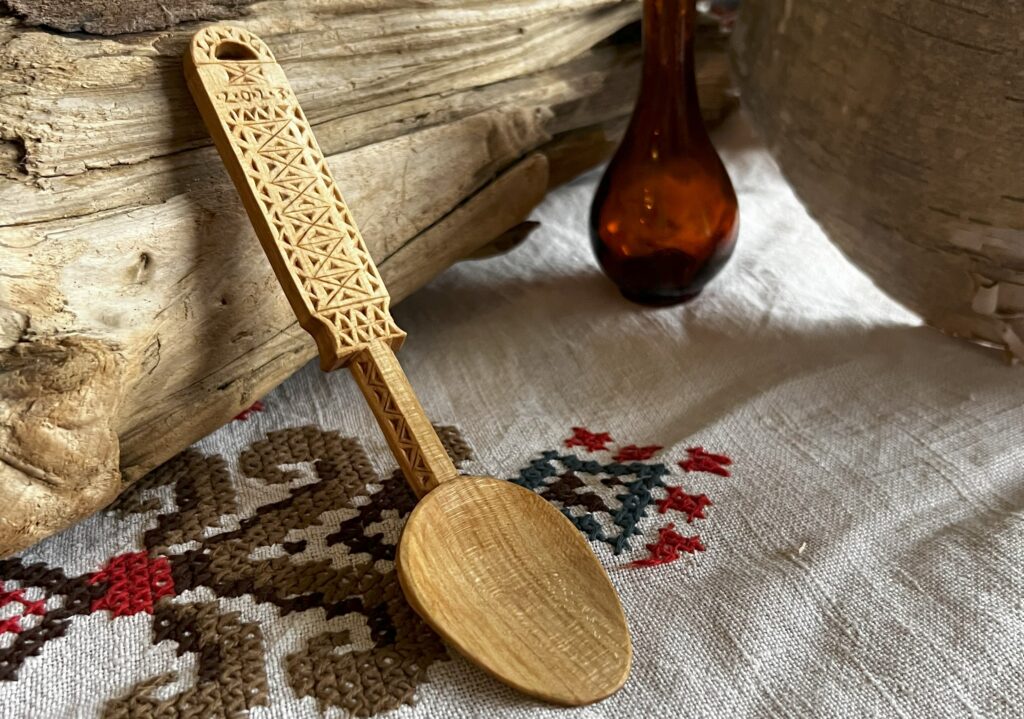
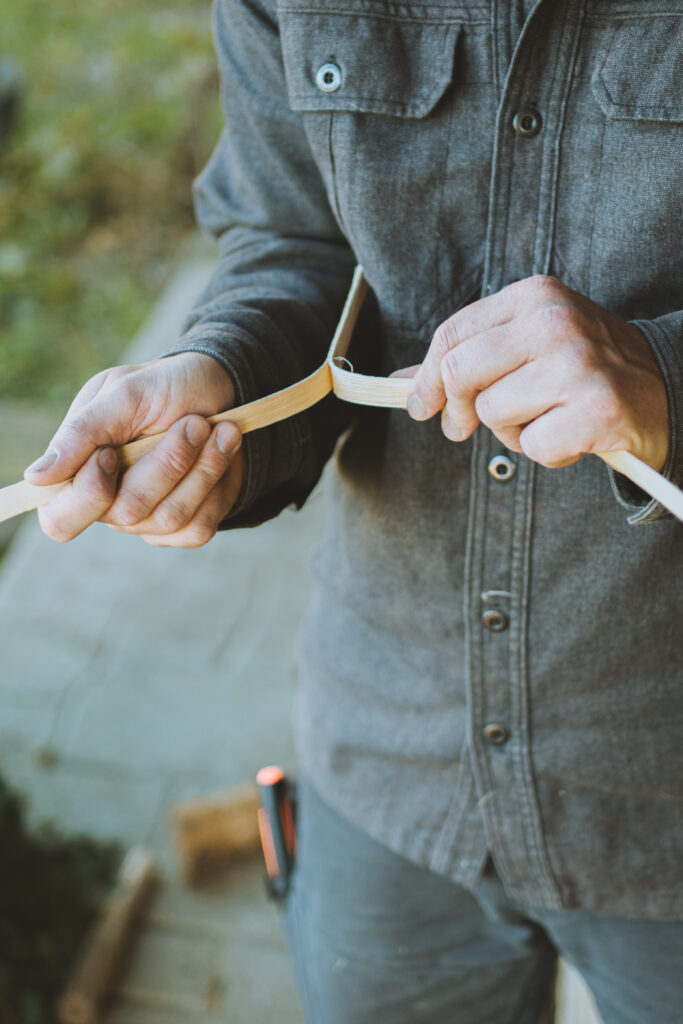
For most of the week, our focus will be on carving from branch-to-spoon with the carving axe and sloyd knife. We’ll also be introduced to working with edged-tools like drawknives, spokeshaves, gouges, and the clog-maker’s knife. Throughout the week, we’ll learn several styles of spoons stemming from different kinds of materials, including foraged branches, riven straight stock, and steambent blanks. After we have a few spoons in our pockets, we’ll learn decorative techniques like chip carving and milk painting.


The capstone of the class will be assembling our own sloyd knife and bark sheath.


All material costs and daily lunches are included in the course fee at Pine Croft.

Folk Futures – Instrument Making

By 2026

Folk Futures - Instrument Making

with Rob Spiece

June 22 - 27, 2026

$1500

Folk Futures

Over six days, we’ll build a unique dulcimer or tenor guitar from the ground up.  Starting with raw materials, we’ll glue up neck blanks and book-match tops – steam bend sides and make all the parts necessary for a beautiful and functional folk instrument.  Continued below…


Class Description:

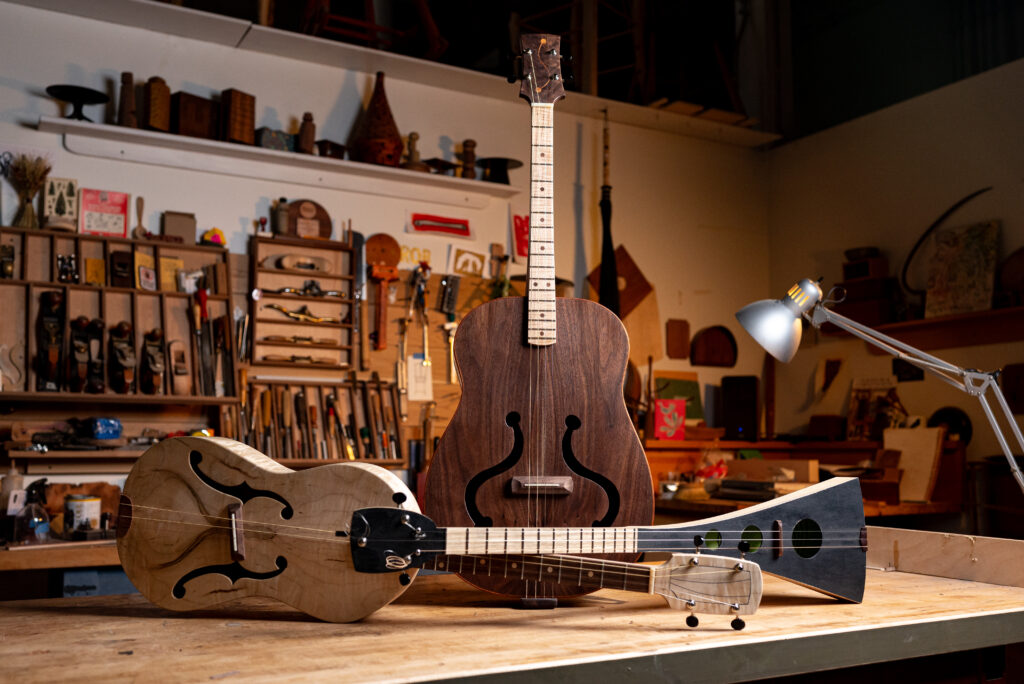
Over six days, we’ll build a unique dulcimer or tenor guitar from the ground up.  Starting with raw materials, we’ll glue up neck blanks and book-match tops – steam bend sides and make all the parts necessary for a beautiful and functional folk instrument.

While we’ll be working in a similar design framework, each instrument will be unique based on material selection and detailing.

I’ve been a musician since I was a teenage punk and a furniture maker for the past twenty years.  Over the past year I’ve had enormous fun sticking those two disciplines together – borrowing from each to make some weird little stringed instruments.  Over this week, I’ll share what I’ve learned.

This course is open to all skill levels, though a basic understanding of woodworking principles will allow you to get more from this class.  If you are brand new to woodworking, I’d highly recommend joining us for Woodworking FUNdamentals or Foundations of Furniture Making.  We’ll be starting these instruments with pre-milled materials and I want to be sure students understand the process of producing accurately milled parts.  We won’t have time to explore this process in depth during the week.

Listed Cost ($ 1500 )
All costs are included in this payment.  Tuition, materials, daily lunches, snacks & drinks, and Eventbrite fees.

There will be some specialized tooling required to participate in this class.  Specialty clamps, a saw for cutting fret slots, and files for dressing frets.  Altogether, expect this tool kit to cost around $100.

All material costs and daily lunches are included in the course fee at Pine Croft.

Broom Salon

By 2026

Broom Salon

with Amanda Lee Lazorchack

June 1 - June 7, 2026

$1500

Broom Salon

Calling all broom makers! BROOM SALON is modeled after Lazorchack’s most cherished class experiences. Broom Salon is an advanced & intensive exploration of skill as a craftsperson and broom maker.  Continued below…


Class Description:

Calling all broom makers! BROOM SALON is modeled after Lazorchack’s most cherished class experiences. Broom Salon is an advanced & intensive exploration of skill as a craftsperson and broom maker. This experience is built for curious minds looking to expand their current broom work & skillset within a supportive & flexible framework.

Amanda Lee cultivates a high engagement, thorough and joyful learning environment. Students are encouraged to experiment with technique, develop style & hone skill. Part guided study, part weave-in, part classic workshop. Students are encouraged to spread out & take up space in the iconic Berea Broom Studio.

This experience could be transformative for both emerging artists and established broom makers. Amanda Lee will teach to varied skill levels present in the cohort, however previous experience is required.

Tools and materials included! Tying tables, Gates Treadles, winders, stitching vices, brush cutters, hand tools, shave horses. 18 & 20″ Hurl, high quality Craft Corn & assorted cord, hardwood lengths, regionally harvested saplings & more. (Dyed broom corn will be available for sale at an additional price.)

Amanda Lee Lazorchack is the artist and educator of P L E A S E S E N D W O R D  as well as the Director of Broomcraft at Berea College. She is honored to invite you to learn with her in the oldest broom facility in the US.

All material costs and daily lunches are included in the course fee at Pine Croft.

Anarchist’s Tool Chest

By 2026

Anarchist's Tool Chest

with Megan Fitzpatrick

October 5 - 9, 2026

$2200

The Anarchist’s Tool Chest

Aside from a workbench, a sturdy tool chest is one of the most important things to have in your shop. It organizes and protects your tools from damage, rust and loss.  Continued below…


Class Description:

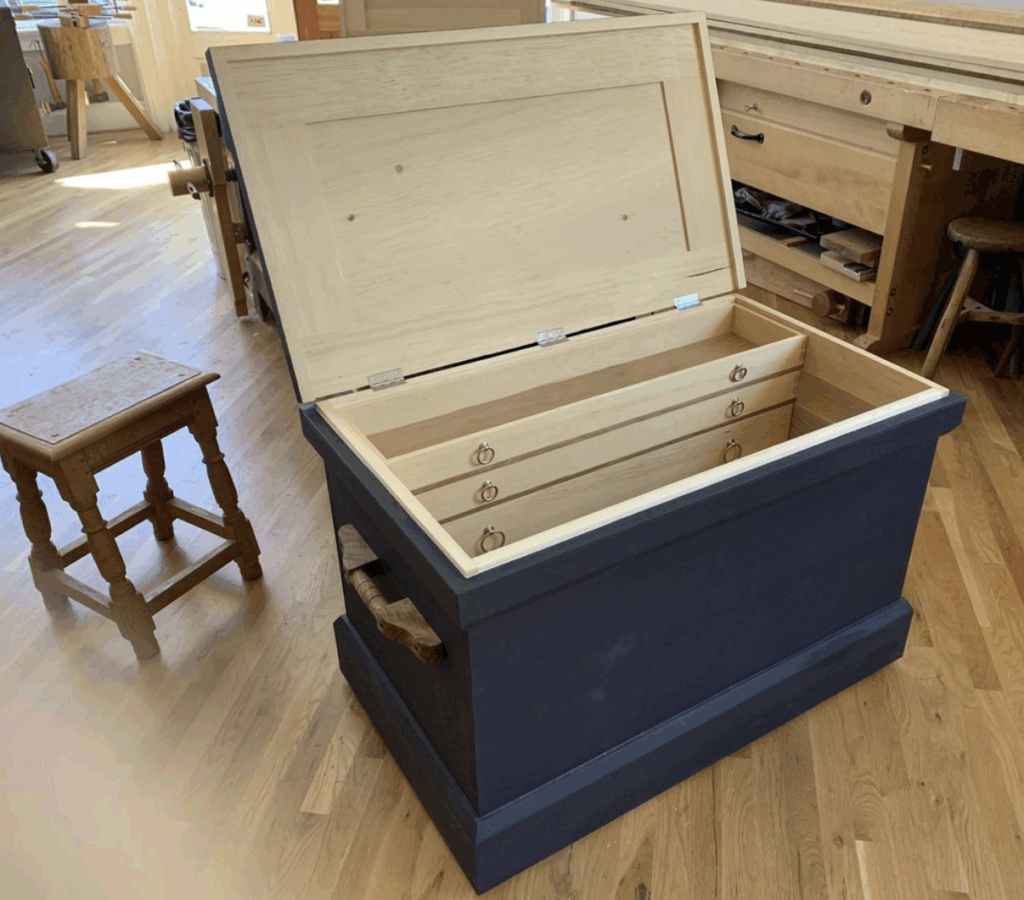
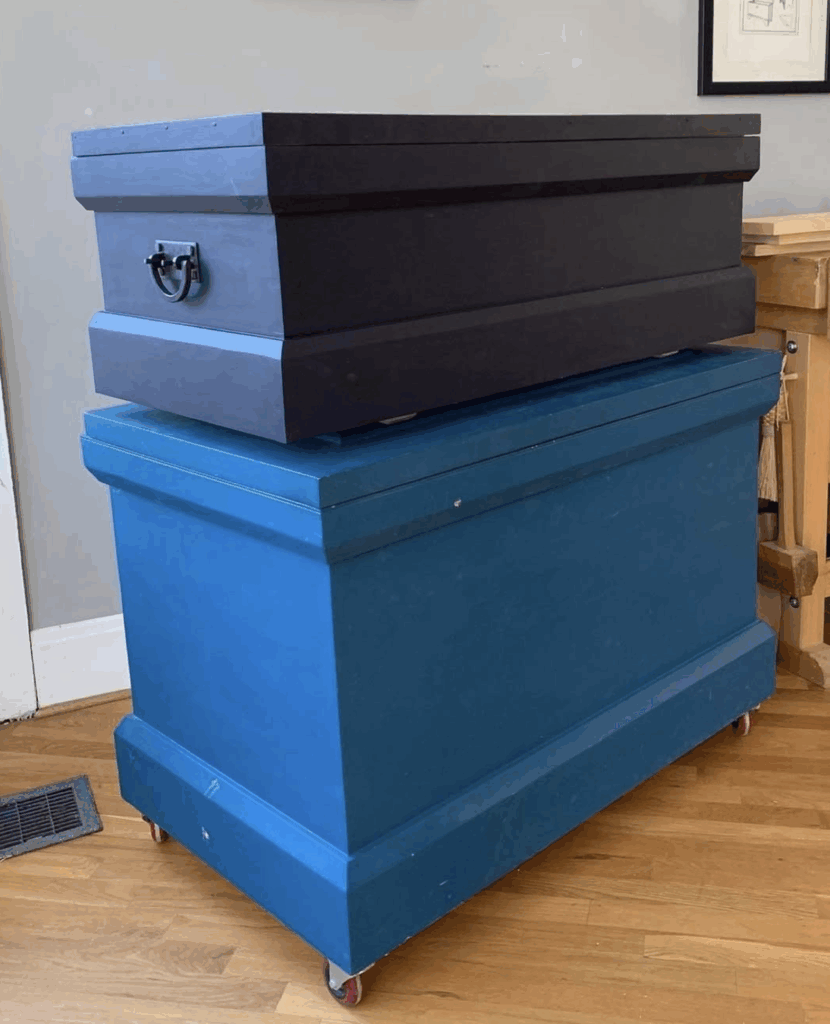
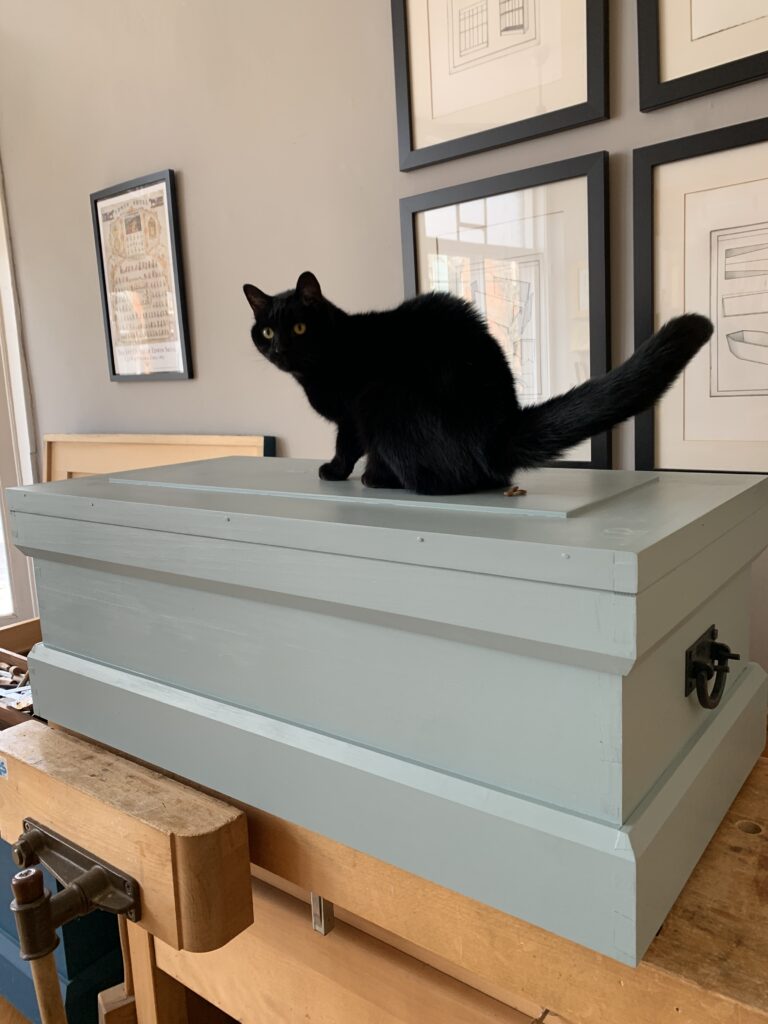
Aside from a workbench, a sturdy tool chest is one of the most important things to have in your shop. It organizes and protects your tools from damage, rust and loss. While many woodworkers have attempted to improve upon the traditional chest design that emerged 300 years ago, the old form has remained the absolute best way to keep the most tools in the smallest space. And if you need a slightly smaller footprint for your chest, you’re in luck. In this class, you can choose between making a full-size chest (25-3/4” tall, 24” front to back, 40-1/4” long) or a traveling version that will fit into the back of a car or truck (14-1/2” high, 19-1/2” front to back, 39-1/2” long). The full-size chest will hold a complete set of the hand tools typically used for furniture work; the travel size chest will hold most of them.

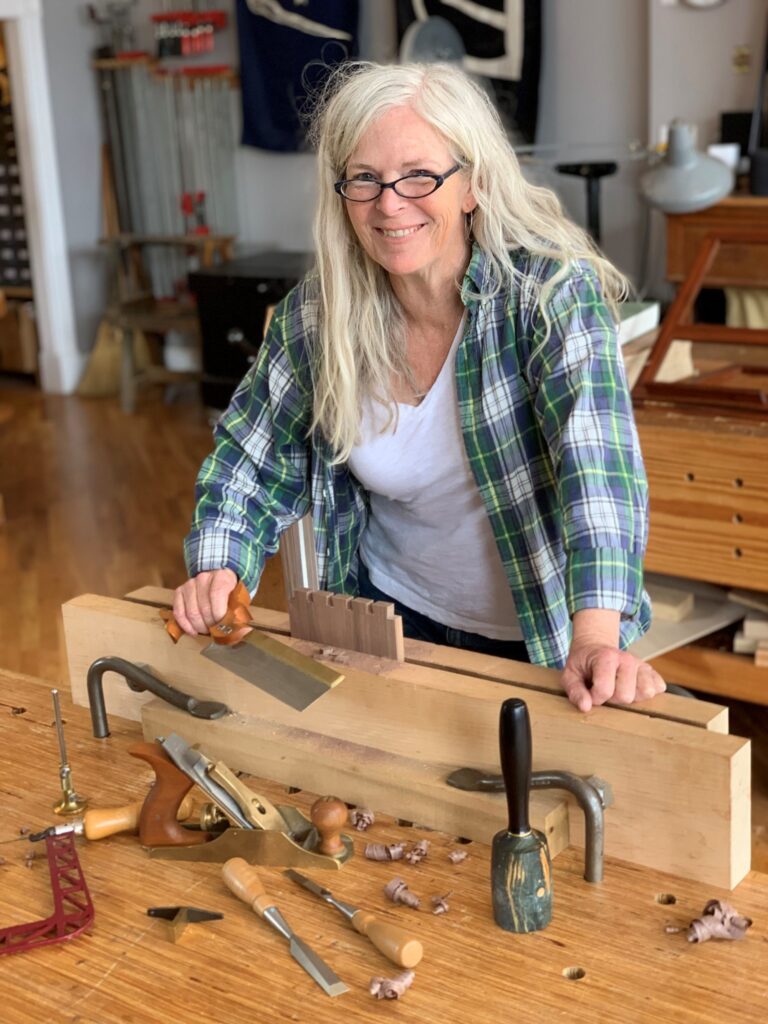
In this five-day class you will build the shell of your own traditional tool chest using hand tools and techniques. This is an excellent first project for a new hand-tool woodworker – especially if you want to get good at dovetails! Skills you will learn in this class include:

  • Traditional through-dovetail joinery
  • Cutting basic mouldings by hand
  • Fitting mouldings to casework
  • Loose-tenon joinery

By the end of class you will have all the skills you need to complete the interior of the chest at your workshop at home, whether you want to dovetailed tills or simple rabbeted and nailed tills.


ATC Tool List (the ones you need to build it – not all the stuff you’d want to put in it…)


  • Smoothing plane
  • Jack plane
  • Marking or cutting gauge
  • Marking knife
  • .05 or .03 mechanical pencil
  • Dividers (2 pair if you’ve got ‘em)
  • 12” combo square
  • Dovetail marking gauge or sliding bevel
  • Dovetail saw
  • Chisels ½” and 3/8”
  • Mallet
  • Rabbeting plane, moving fillister or a large shoulder plane
  • Hammer and nail set
  • Coping saw with extra blades (I recommend Pegas blades)
  • 3/16” Beading plane


And any other tools you just can’t bear to be without. For me, that includes my waterstones and honing guide, a 6” adjustable square, a double square (a.k.a. diemaker’s square or machinist’s square) and multiple pencils. And don’t worry if you don’t have some of the more esoteric tools – I’m happy to share my beading plane.


All material costs and daily lunches are included in the course fee at Pine Croft.

White Oak – Tree to Basket

By 2026

White Oak - Tree to Basket

Micah Wiles

April 29 - May 2, 2026

$600

White Oak – Tree to Basket

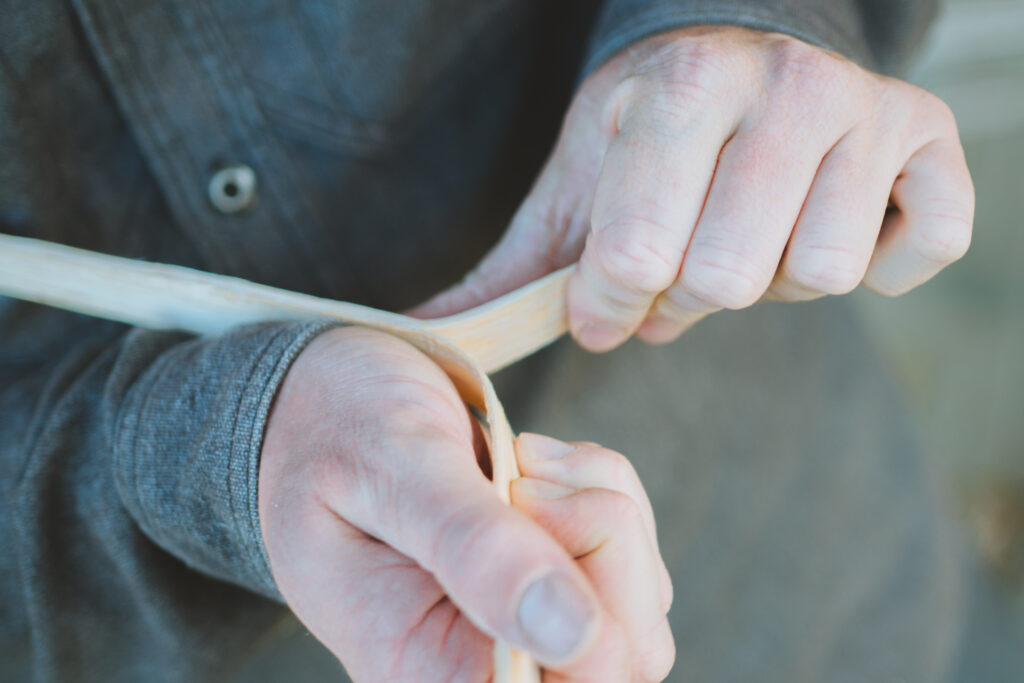
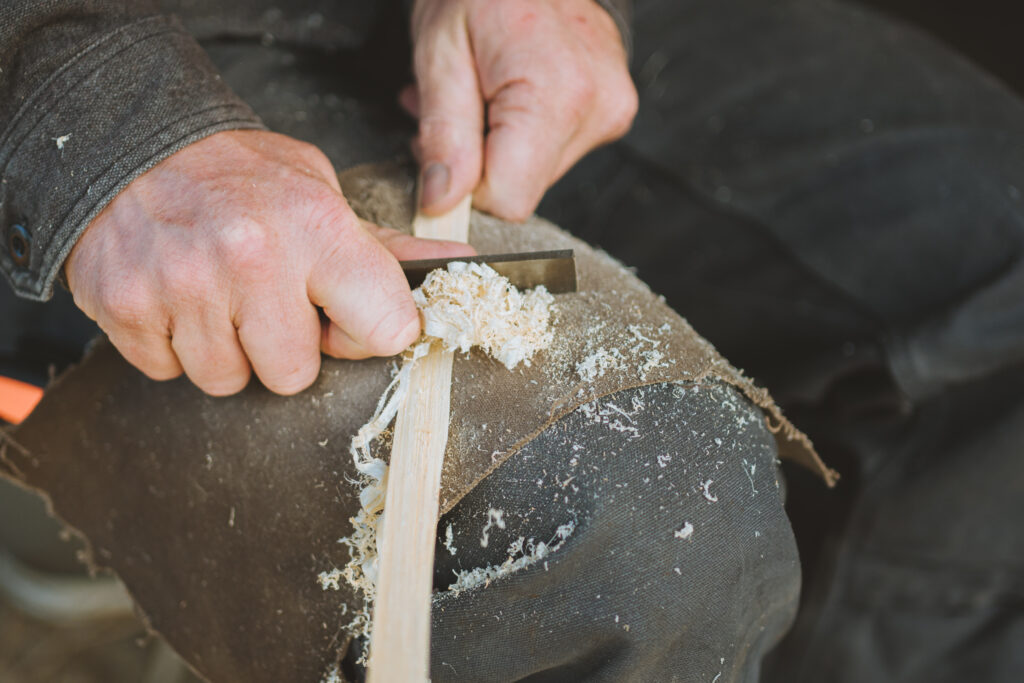
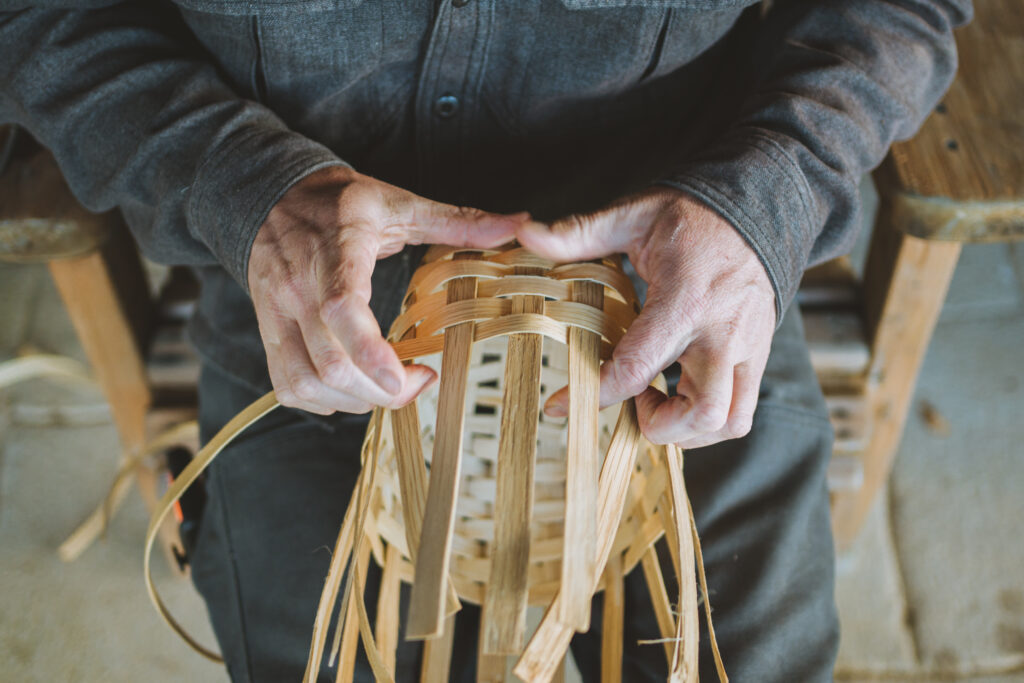
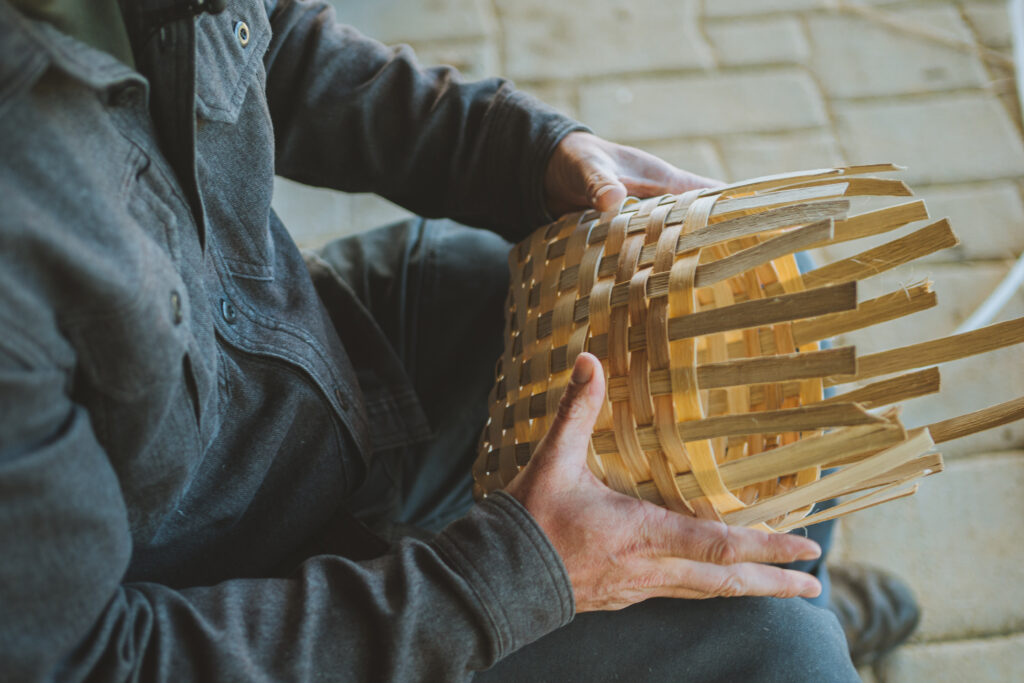
Split white oak has been used traditionally for making baskets for hundreds of years in our region. Learn how to turn a log into ready-to-use weaving materials using various hand tools, then weave a simple basket with your hard-earned materials.  Continued below…


Email bisterk1@berea.edu to join the waitlist!

Class Description:

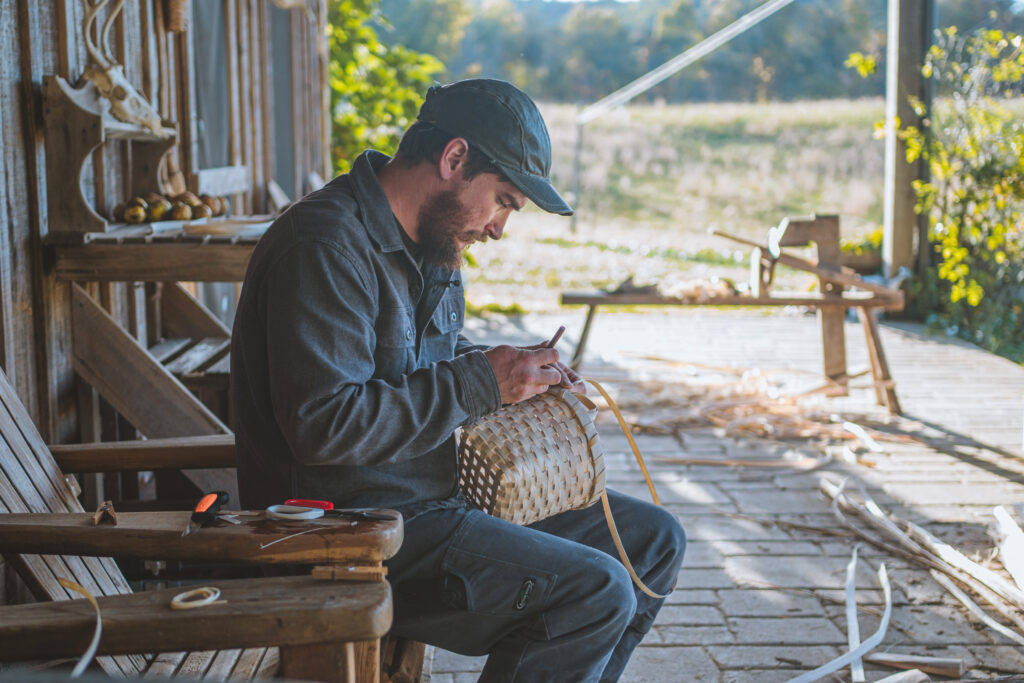
Split white oak has been used traditionally for making baskets for hundreds of years in our region. Learn how to turn a log into ready-to-use weaving materials using various hand tools, then weave a simple basket with your hard-earned materials. This process is physically demanding and will require good hand strength and determination! Previous basket weaving or woodworking skills are helpful but not necessary. All levels welcome.

All material costs and daily lunches are included in the course fee at Pine Croft.

Comb Back Stick Chair

By 2026

Comb Back Stick Chair

With Chris Schwarz

March 30 - April 3, 2026

$2200

Comb Back Stick Chair

Build a comb-back stick chair using common materials and tools on hand – plus a variety of methods. Stick chairs are a vernacular form of furniture that was built by farmers or part-time woodworkers. Continued below…

Email bisterk1@berea.edu to join the waitlist!

Class Description:

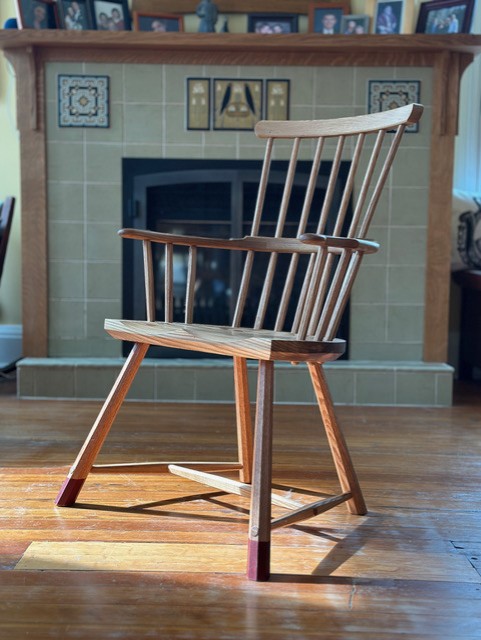
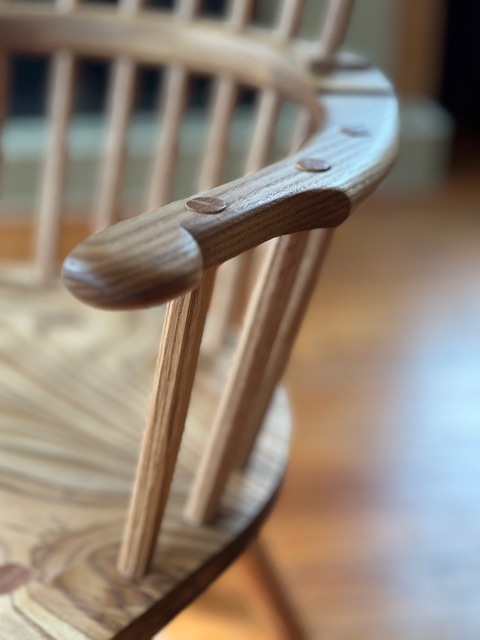
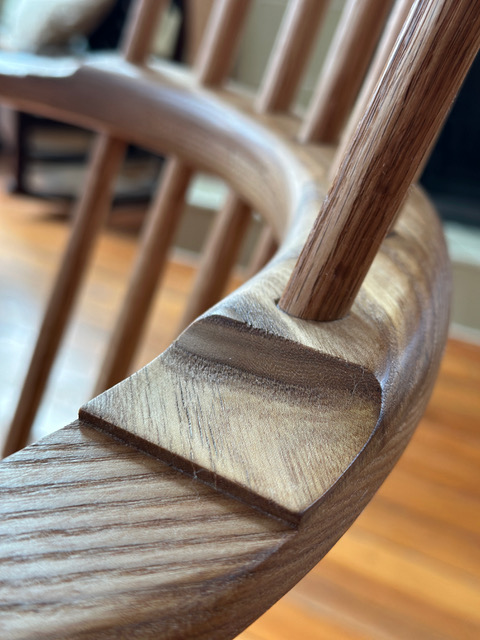
Build a comb-back stick chair using common materials and tools on hand – plus a variety of methods. Stick chairs are a vernacular form of furniture that was built by farmers or part-time woodworkers. Stick chairs were built using the materials around the woodworker (green wood, dry wood, salvaged wood, found wood), and simple tools. Despite these limitations, stick chairs have a rugged beauty and a somewhat animalistic nature.

In this class we will build a comb-back stick chair – one of the most popular forms. The construction processes are a combination of heavy hand-tool use with some assistance from the band saw. The emphasis is on building beautiful chairs with a few tools – and even fewer jigs.

In addition, students will explore the idea that no two stick chairs should be identical. You’ll be encouraged to bring your own ideas forward with your chair to make something that is both yours and also fits within the great tradition of stick chairs that goes back to the 15th century.

Tools for the Chair

An important note on tools: When you arrive, your tools should be sharp and ready to go. There won’t be time to restore vintage tools or set up new tools in this class (there are other great classes for those activities).

Essential Tools

 – Block plane

This is one of the most essential tools in the kit. I recommend a high-quality new one with an adjustable mouth, such as the Lie-Nielsen 60-1/2. The adjustable mouth will allow you to make against-the-grain cuts without tearing. If you have small hands, you can substitute a smaller model with a non-adjustable mouth. But you will be doing a lot more scraping.

 – Jack plane

Another essential tool. I recommend a vintage metal jack, such as a pre-war Stanley No. 5. The older ones weigh less than the new premium jacks, which is a good thing. And the handles are far more comfortable. If possible, grind the iron so it has a pronounced curve, such as an 8” or 10” radius. If you don’t have a grinder, a sharp, straight edge will work.

 – Spokeshaves, flat sole and curved sole I am partial to shaves in the Stanley No. 151 pattern. These shaves have two blade adjustment screws. Veritas makes the best new ones. We will be working with dry wood, so wooden-bodies shaves are not ideal.

 – 6” rule

 – Small tape measure

 – Sliding bevel

 – Combination square (6” or 12”)

 – Card scraper (we recommend the curved one we make at Crucible)

 – Mechanical pencils (.9mm or .7mm lead)

 – 10” or 12” Cabinet rasp, medium coarseness, such as 10 or 12 grain. If you have a finer rasp (such as the modeller’s rasp 15 grain or so, bring it). Auriou is my favorite brand

 – Scorp (I recommend the Lucian Avery Inshave, the Hans Karlsson Inshave or the one from Jason Lonon). Order early to avoid disappointment!

 – Travisher (Elia Bizzari’s 4.5” radius travisher, Peter Galbert’s T2 and the travishers from Allan Williams are all excellent). I also like the travishers from Windsor Workshop. If you use the Windsor Workshop travisher (particularly the Delrin one) then you don’t really need a scorp.

 – Crosscut back saw (Western or a simple dozuki)

 – Cork sanding block

 – Flush-cutting saw

 – A ½” chisel

 – Wooden yardstick

 – Mallet (heavier is better for chairmaking). I like 2-1/2” lbs.

 – Bubble level (any size will do except huge ones for carpentry).

 – Cordless drill. If you have a big one (18v to 20v), please bring it. If you need a recommendation to buy, we use the DeWalt 20v drills with metal chucks. They are usually made in the USA.

 – Random-orbit sander. If you have a 5” one, please bring it. Also useful: a 3M soft sanding pad. Bring #80 and #120 grit discs if you can.

OPTIONAL

If you have any of these tools already, it would be helpful to bring them. I’ll have these, but if we have more, it will bean less waiting for tools.

 – Veritas Power Tenon Cutters. We’ll use the 5/8” and 1” tools

 – Wood Owl 1” auger bit

All lunches are provided at Pine Croft.

Three Legged Stool

By 2026

Three Legged Stool - Intro to Chairmaking

with Rob Spiece & Katie Bister

March 20 - 22, 2026

$600

Three Legged Stool

The process of making these stools is designed for production. Shop made jigs and fixtures allow us to produce multiples. We’ll usually try to make 30 per production run. We are by no means a furniture factory, but we do aim to be efficient to keep costs down. You probably won’t operate your home shop as a factory either, but I think you’ll appreciate the efficiency of this approach—and I think it will impact your productivity at home. The act of woodworking is as much, if not more, about developing a process as it is about putting a tool to a piece of wood. Continued below…

Email bisterk1@berea.edu to be added to the waitlist!

Class Description:

The People Collection Stools are made in the Student Craft woodshop by its staff and students. Berea College is one of about 10 work colleges in the country. Students get free tuition to attend, but commit to working 10 hours per week somewhere on campus to offset tuition costs.

The process of making these stools is designed for production. Shop made jigs and fixtures allow us to produce multiples. We’ll usually try to make 30 per production run. We are by no means a furniture factory, but we do aim to be efficient to keep costs down.

You probably won’t operate your home shop as a factory either, but I think you’ll appreciate the efficiency of this approach—and I think it will impact your productivity at home. The act of woodworking is as much, if not more, about developing a process as it is about putting a tool to a piece of wood.

There are many ways to accomplish any of the tasks we’ll be working on through the weekend. I encourage you to inquire about different ways to make tenons, or drill mortises, or shape seats. We can look at these methods as a class and take the path that suits us.

To get a sense of this production mode, over three days we’ll each make two stools. You can see how we make ours and determine how to adapt that process to your home shop.

We’ll use tools that are common to the home shop: Routers, the tablesaw, the band saw, the drill press and the lathe all play a part along the way.

Required Tools:

  • Safety Glasses
  • Tape Measure
  • Pencil
  • Random Orbit Sander & Sanding discs (80, 120, 180, 220 grit paper)

All material costs and daily lunches are included in the course fee at Pine Croft.

Foundations of Furniture Making

By 2026

Foundations of Furniture Making

with Rob Spiece

April 13 - 18 , July 27 - August 1 , 2026

$1,200

Foundations of Furniture Making

In this course, we’ll dive deeply into the techniques and fundamentals of solid wood furniture making. We’ll use all the tooling available in the modern home shop and the hand tools that have been used in woodworking forever. I don’t ascribe much to the concept of being a “hand tool woodworker” or a “power tool woodworker”. I’ll use the best option at hand to produce the finished results I’m looking for. The reality is those decisions are often made by what tooling is available to you – or sometimes the mood that strikes you. Continued below…

Email bisterk1@berea.edu to join the waitlist for the April class!

Class Description:

In this course, we’ll dive deeply into the techniques and fundamentals of solid wood furniture making.  We’ll use all the tooling available in the modern home shop and the hand tools that have been used in woodworking forever.  I don’t ascribe much to the concept of being a “hand tool woodworker” or a “power tool woodworker”.  I’ll use the best option at hand to produce the finished results I’m looking for.  The reality is those decisions are often made by what tooling is available to you – or sometimes the mood that strikes you.  You’ll be working in a well-equipped shop, but we won’t rely on high priced equipment exclusively.  There are many ways to cut a mortise – we’ll take you through the process of laying out and chopping by hand, using a plunge router, a mortiser, a drill press, and a domino.  It’s my goal that when you leave this course, you can adapt what you’ve learned to your own shop.  We’ll spend a lot of time on the table saw, with routers, jointers & planers, an array of hand-held power tools and then we’ll fine tune joinery at the bench with hand tools.

From Scratch

No parts will be prepped for you in this course.  We’ll begin with rough sawn material and finish with a completed piece of furniture.  Learning the craft of woodworking is far more than fancy tools and techniques.  A deep knowledge of the material is at the core of this class.  Hundreds of decisions are made throughout the initial phases of material selection and milling that have a direct impact on the finished quality of the work and you won’t miss out on any of it.  You’ll start the week with a pile of rough sawn boards and end it with a piece ready for finish.

Beginner, Intermediate, and Advanced

Whether you are an absolute beginner or even an advanced woodworker, you’ll leave this course with a renewed sense of ability and inspiration.  For those just starting, you can learn how to safely and efficiently operate woodworking machinery and design furniture built upon traditional joinery techniques.  For advanced woodworkers, a week spent with a professional furniture maker will boost your efficiency, productivity, and bag of tricks – allowing you to make a greater impact in the limited time you may have in your home shops.  There will be plenty of one-on-one time in this course, and we’re happy to tailor the experience to you.

The Project

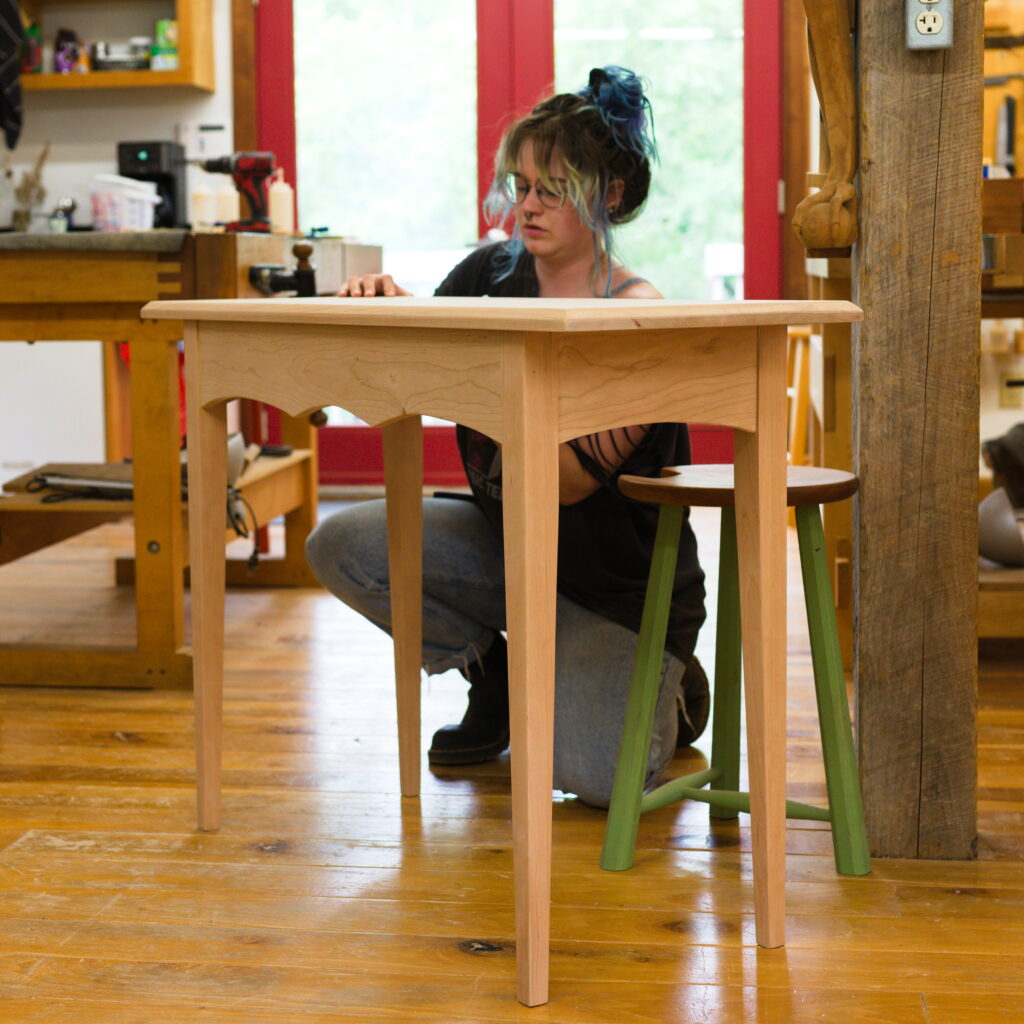
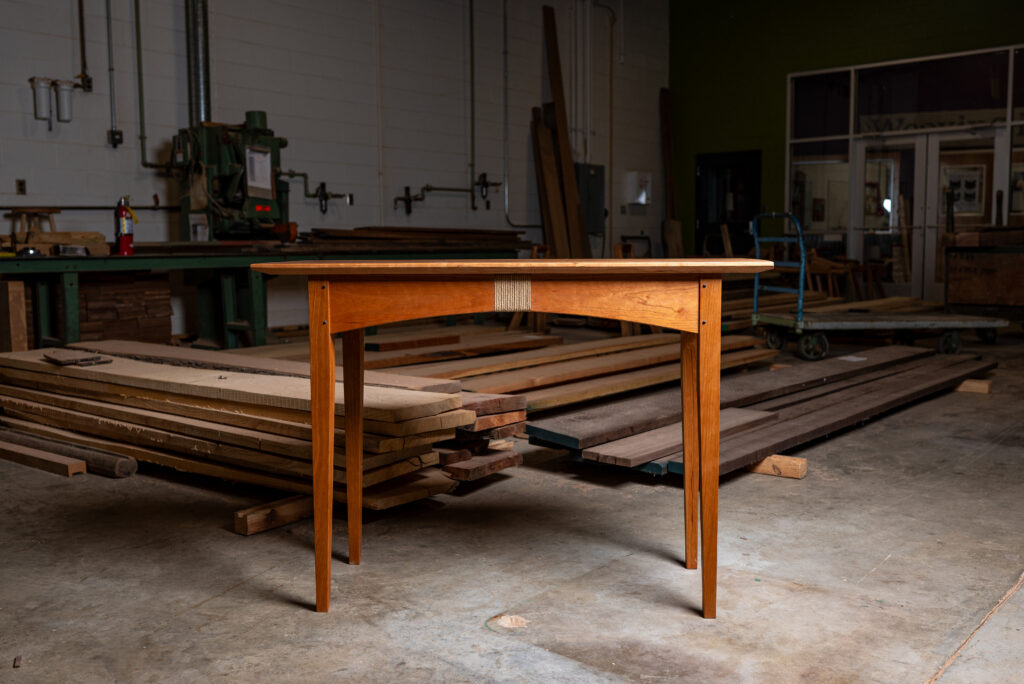
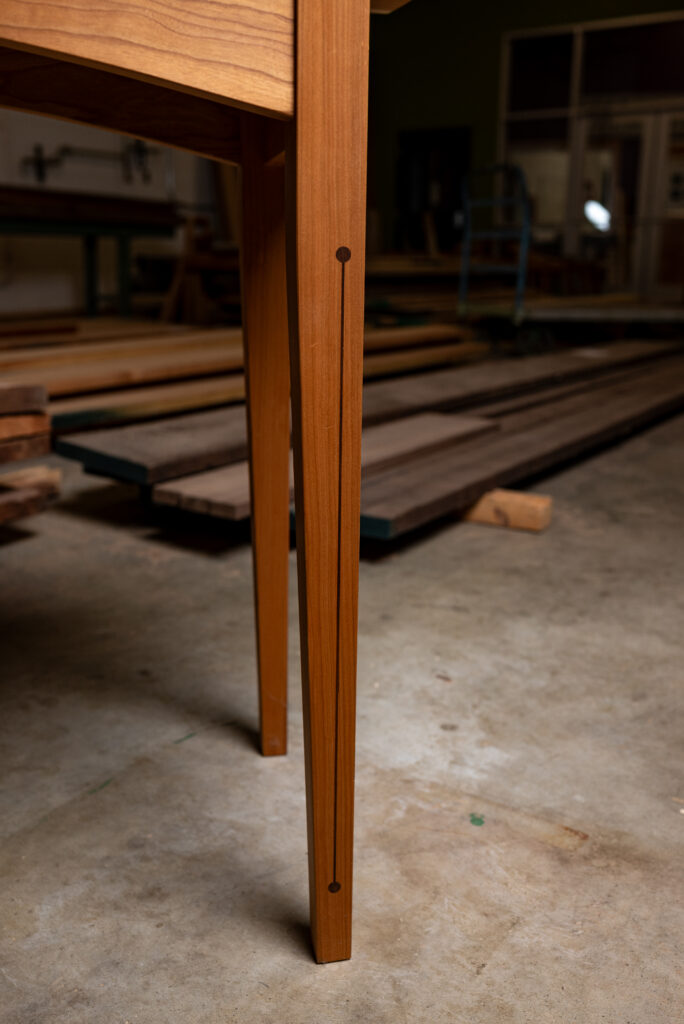
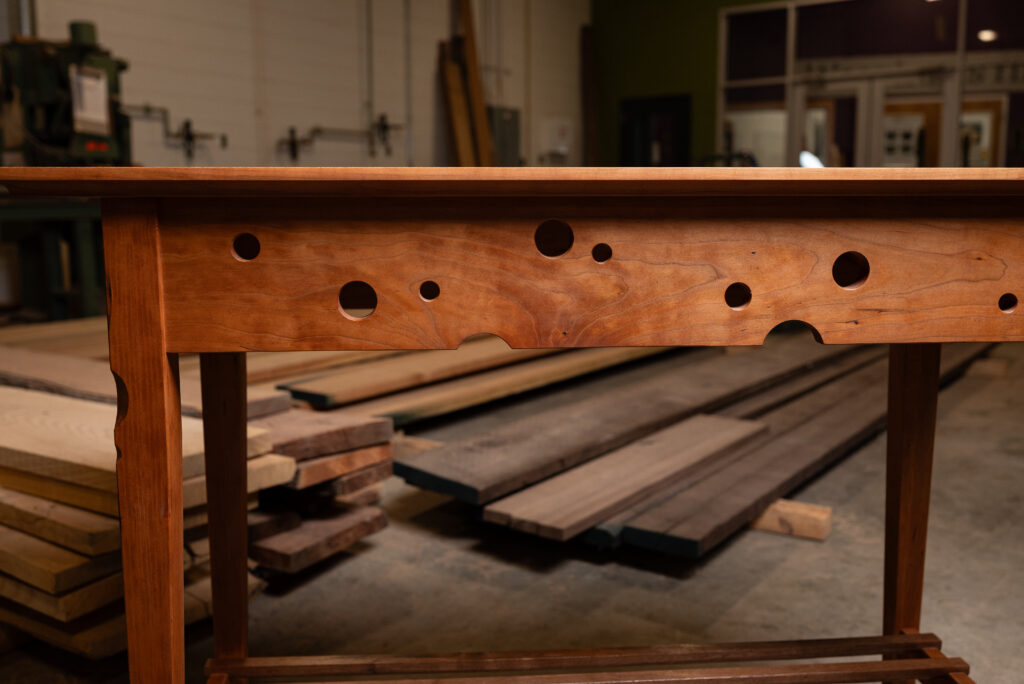
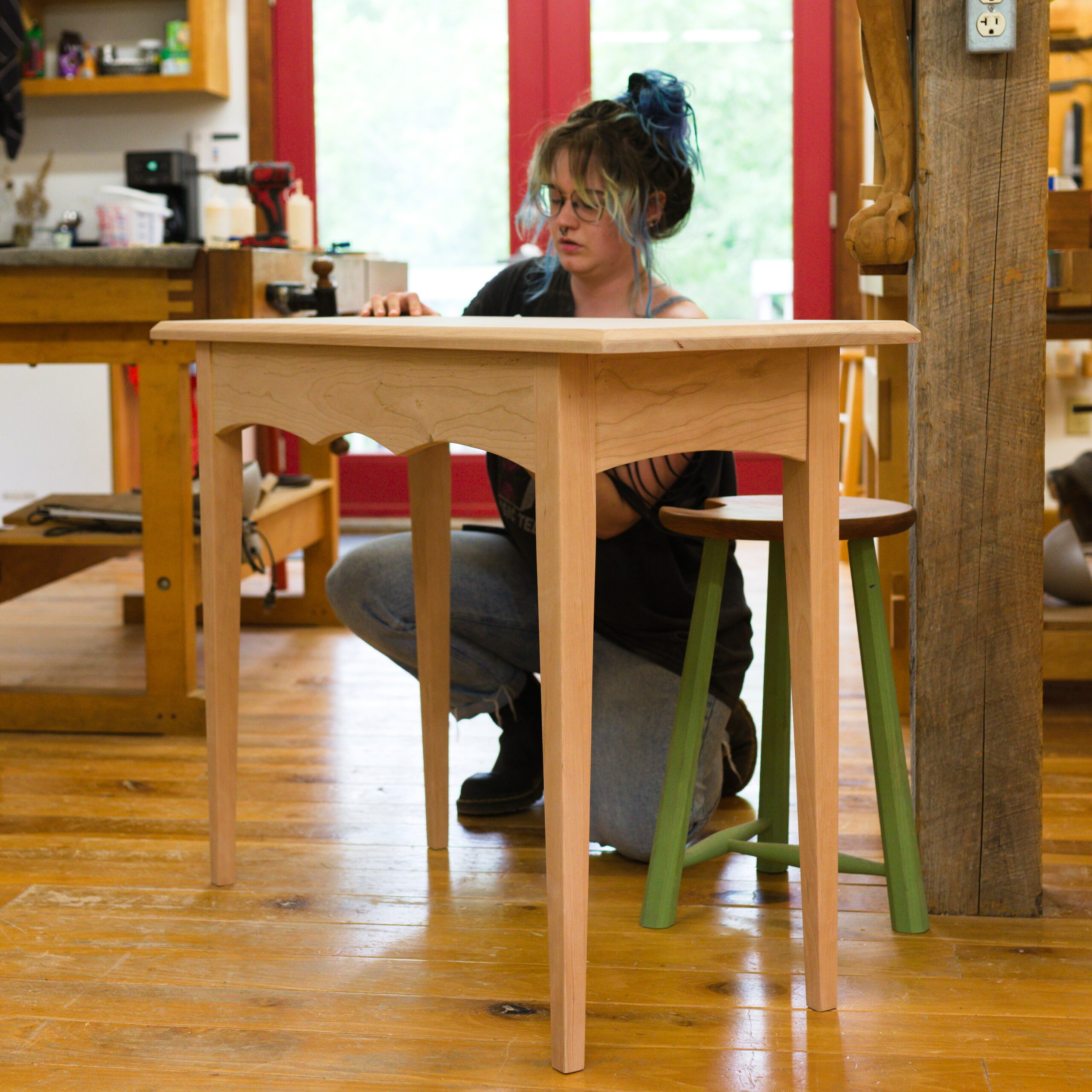
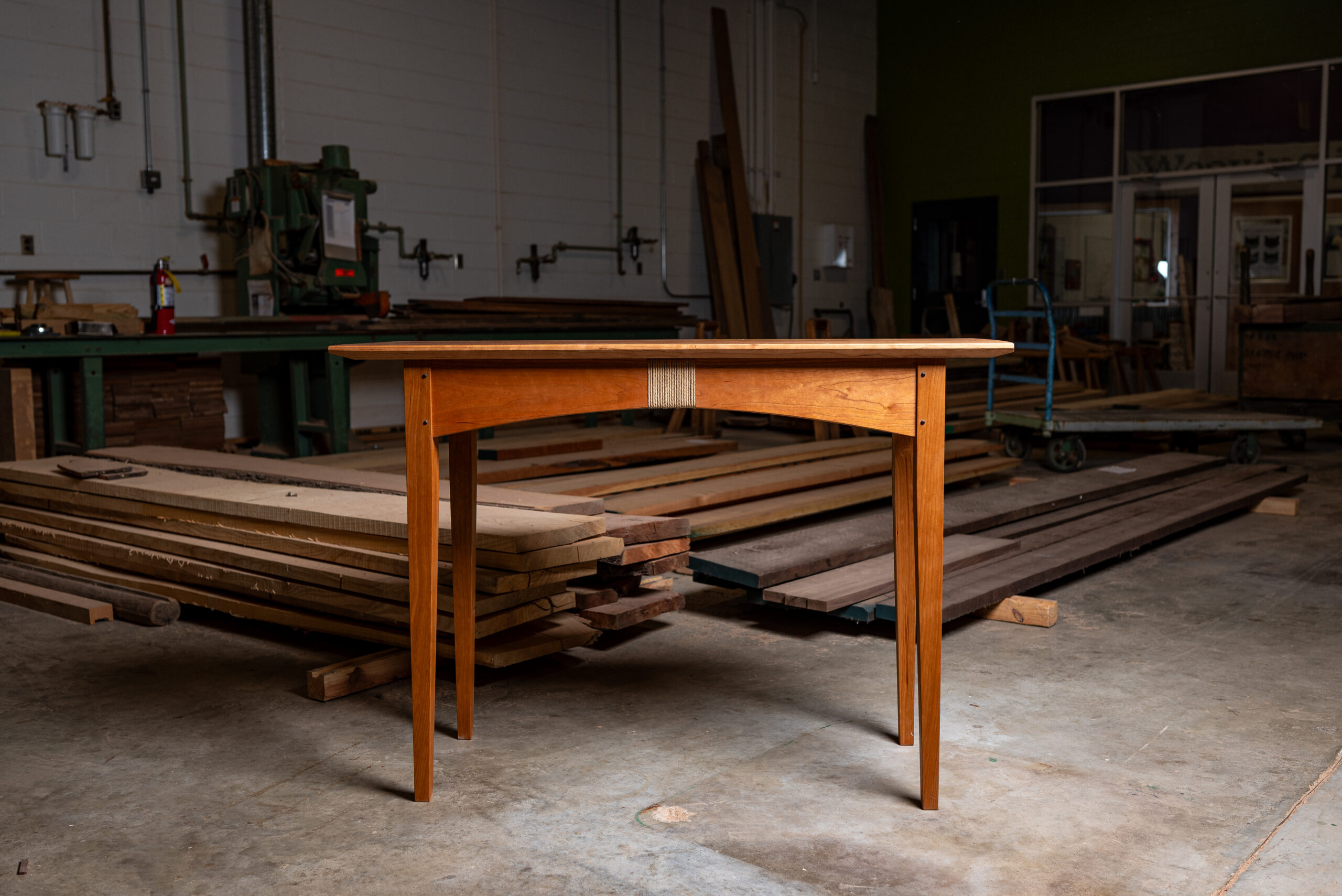
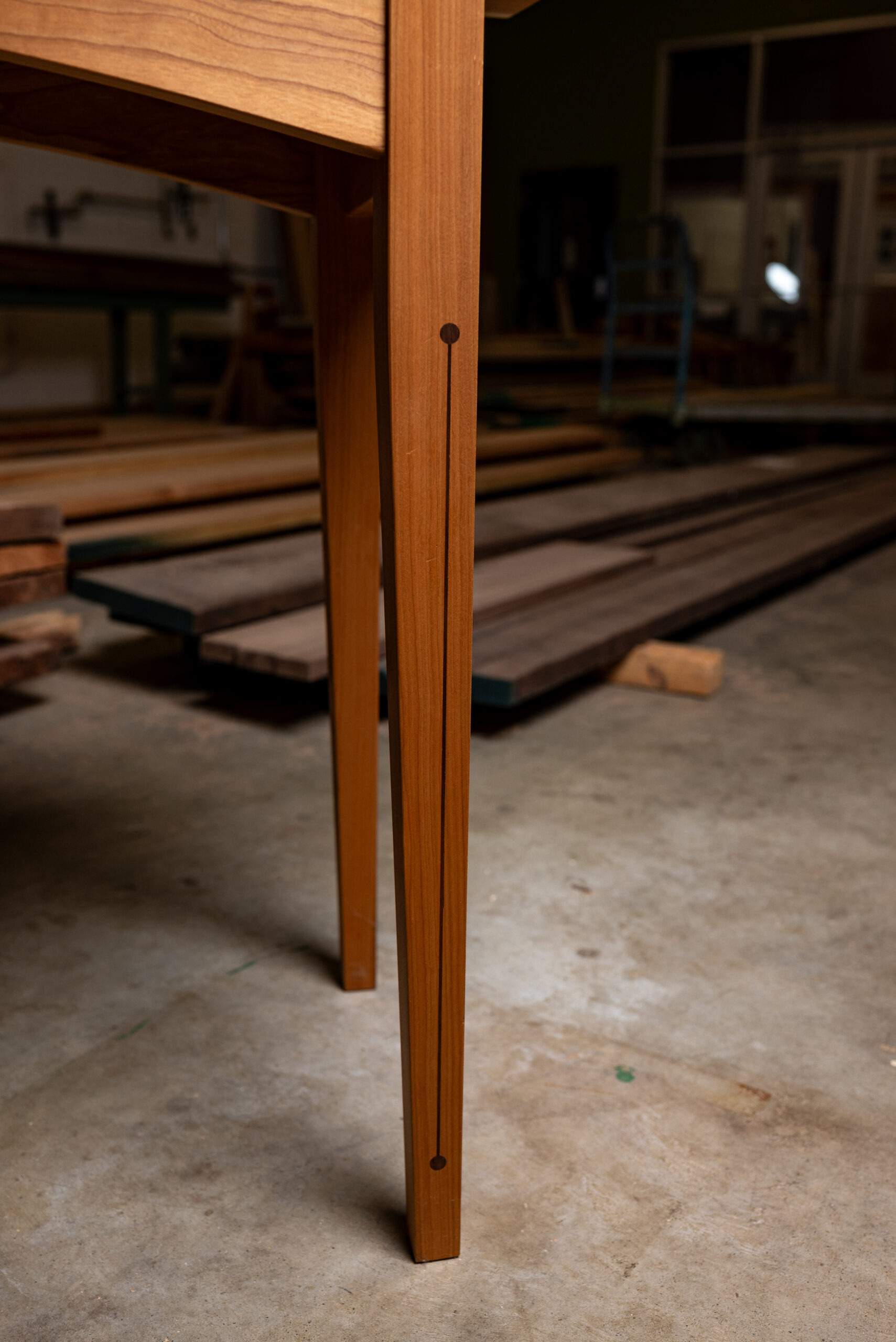
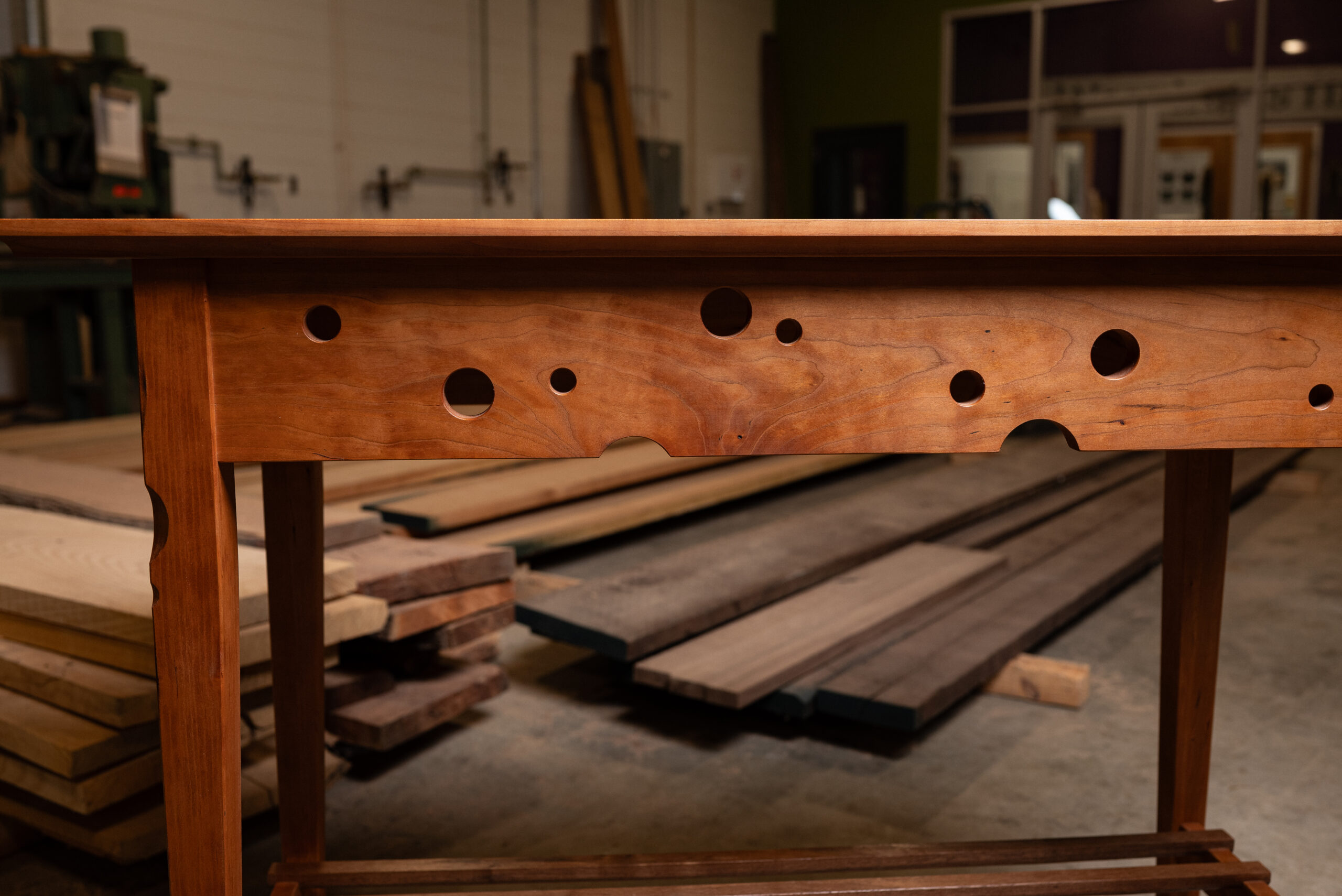
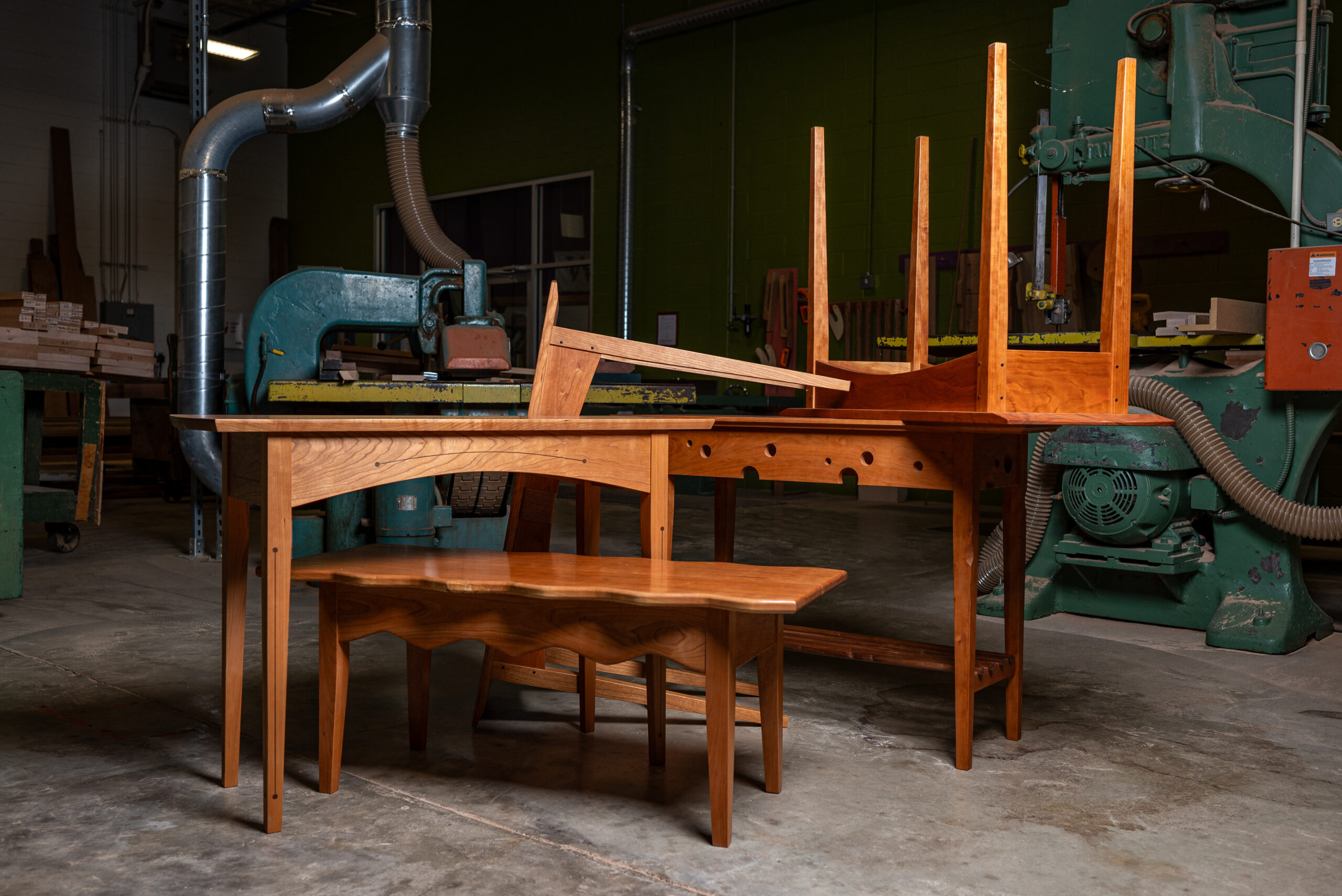
The project pictured is a Shaker-inspired riff on the hall table.  While we’ll all be working on a hall table, the design is up to you.  We’ll give you several options, but I’ll also encourage you to bring some of yourself to the table.  We’ll discuss what makes a successful design and why, then help you to realize your own ideas.  This project is an ideal piece for a thorough grounding in furniture making techniques.

All material costs and daily lunches are included in the course fee at Pine Croft.

The Handled Broom

By 2026

The Handled Broom - Sculpture and Tool

with Amanda Lee Lazorchack

May 14-17, 2026

$800

The Handled Broom

This is a high engagement, 4 day workshop. Start with the foundations of broom construction &
apply those skills to larger handled sweeps while we play with the relationship between
sculpture and tool. Continued below…

Email bisterk1@berea.edu to be added to the waitlist!

Class Description:

This is a high engagement, 4 day workshop. Start with the foundations of broom construction &
apply those skills to larger handled sweeps while we play with the relationship between
sculpture and tool. You will learn to sort & grade materials, prepare & finish handles, weave
& stitch broom corn. We will explore design considerations & creative problem solving. You
may make multiple handled brooms.

This class is suited for beginners and beyond. Moderate hand & body strength is necessary.
All tools & materials provided. Wear clothes you don’t mind getting dirty.

RISK DISCLAIMER: Traditional Broom Making is a toxin-free & safe activity & like all activities it comes with risk &
personal responsibility. By signing up for this class you acknowledge that the risk you take in participating in this
activity is your responsibility & you release PleaseSendWord & Hosts from liability in the event of injury of any
kind.

All material costs and daily lunches are included in the course fee at Pine Croft.

Woodworking FUNdamentals

By 2026

Woodworking FUNdamentals

with Katie Bister

February 14 - 15 , September 5-6 , 2026

$300

Woodworking FUNdamentals

This class is perfect for beginners looking to dip their toes into woodworking and find their favorite way to work with wood. Whether you are looking to work with machines like jointers, planers, table saws, and lathes or if splitting and carving with gouges and a slöjd knife are more your style, we will do it all and more in this class! Continued below…


Email bisterk1@berea.edu to be added to the waitlist!

Class Description:

In this two day class we will explore the basics of machine and hand tool woodworking through three simple, functional, and engaging projects. Each student will make a serving/cutting board, a decorative bowl, and a spoon which will introduce them to basic milling, turning, and knife work.

This class is perfect for beginners looking to dip their toes into woodworking and find their favorite way to work with wood. Whether you are looking to work with machines like jointers, planers, table saws, and lathes or if splitting and carving with gouges and a slöjd knife are more your style, we will do it all and more in this class!

Cutting/Serving Board

For this project we will go over selecting and milling wood for a glue-up. We will go over the safe use of chop saws, jointers, planers, and table saws. We will touch on wood movement and grain direction as we prepare for glueing up our boards. Once the glue has dried, we will go over getting our boards to finished dimensions before shaping, sanding, and finishing them.

Decorative Bowl

For this project students will be introduced to bowl turning. We will start with the preparation of the bowl blank and how to attach it to the headstock of the lathe using a lead screw in a chuck. Then students will be shown how to use a bowl gouge to create the silhouette and foot profile for the outside of their bowl. We will go over sanding and finishing before removing the bowl from the lead screw and fitting the chuck into the foot of the bowl to turn the inside of the dish. Once the bowl has been shaped, we will sand and paint, if desired, before finishing it.
Simple Spoon

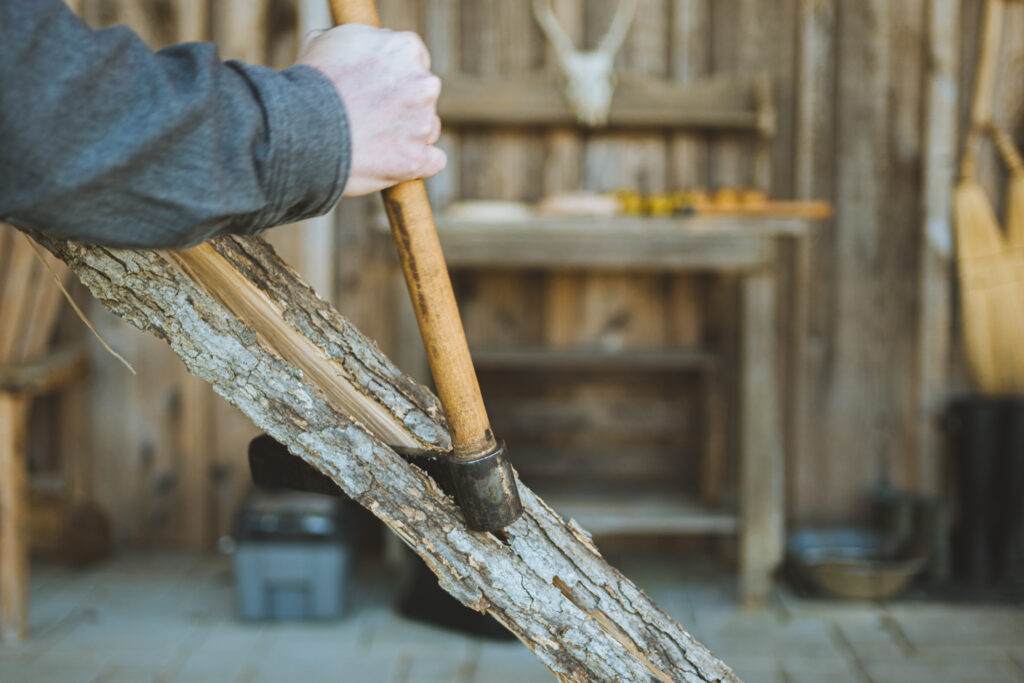
For the spoon carving part of this class we will go over the splitting of green wood from a log and then start with shaping our blanks with our desired silhouettes. We will go over the use of a drawknife and shavehorse to remove excess material from our spoon blanks before using gouges and hook knives to hollow out the bowl of the spoon. Lastly we will go over the use of a slöjd knife to smooth the surface and finish shaping the spoons.
All the tools and materials will be provided for this class.

All material costs and daily lunches are included in the course fee at Pine Croft.